How a look gets picked for your day
From the first onboarding question to the outfit on your avatar. Every module, what it knows about you, and how it decides, explained without code. Tap any module to look inside.
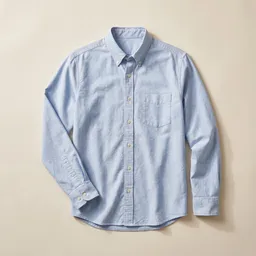
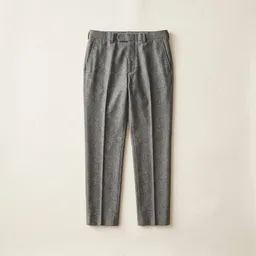


Five modules learn about you. Ten modules build the look.
The outside modules collect and tidy what the app knows. The inside modules turn it into one outfit for today. Tap any box for the details.
Outside modules: what the app knows
Inside modules: how the look is built
Result
Eleven short steps that teach the app your life
Each answer becomes a fact the engine can use, or a rule it must never break. Pick a step to see what it asks and what it turns that answer into.
Body shape, build and skin tone are used only to draw your avatar. The suggestion engine never reads them.
From a phone photo to a garment the engine understands
Step 2: the photo check
An AI looks at the photo, and the app measures the pixels itself. The app makes the final call, so a "looks fine" from the AI cannot hide a dark photo.
Steps 3 to 5: what it reads
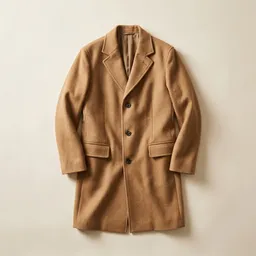
Who wins when two readers disagree:
Anything below 60% certainty (type, colour, warmth or formality) is shown to you to confirm.
It remembers what you said, and only what you said
The stylist can offer to save a preference. The app then checks that your exact words really appear in your message. If they don't, nothing is saved.
Where a memory goes
Nine places the stylist can search
Each question pulls the 8 best matches. You can switch off chat, posts and comments as sources.
Any language, any slang, turned into a clear plan
You can write a note the way you'd text a friend. A fast AI turns it into simple instructions, and each one has to quote your own words. Pick a note:
The dressiness scale, 0 to 7
The scale is about clothes, not events: every garment is rated on it. The AI decides where your occasion sits, and the look must land within one step of that (two on a uniform day).
Calendar titles stay on your phone
Event names like "Team dinner" are classified on the phone in 8 languages and never sent to the server. The onboarding step that connects the calendar is still a placeholder.
The weather where you'll actually be, hour by hour
Your shared location, or your region's centre if you didn't share it.
Nearby people share one forecast. It is kept for 1 hour.
Open-Meteo worldwide, the national weather service in the US. The app waits at most 2 seconds.
If the forecast fails, the last good one counts for 3 hours. More than 7 days ahead, the app uses typical weather for about 700 regions.
Indoor temperature follows the day outside, between the local heating level and 24.5°C.
A 12°C day in Yerevan
Each time you are outside, the engine plans for the coldest hour of that stretch, not the day's average.
Your Home avatar stands in front of your city: a real picture for each time of day, and rain wins over the hour. Only Yerevan's 5 backdrops are live so far.
Your day, cut into stretches, each with its own warmth need
Tap a stretch. The engine knows where you are, for how long, and how hard you're moving. The bar shows the warmth that stretch needs and what the outfit gives.
Rule: a short dash outside never needs a coat
Under 5 minutes doesn't count. From 5 to 20 minutes it counts step by step, and from 20 minutes it counts fully. Car rides count partly, up to an hour.
Simplified to show the rule. The real engine uses international comfort standards for cold, mild and hot weather. "Warmth points" is the standard insulation unit: 1 point is roughly an ordinary business suit.
First decide how dressy. Then take out what can never be worn.
Where the dressiness target comes from
The engine walks down this list and stops at the first answer it finds. Then it allows one step either way, or two on a uniform day.
The hard filters
These are not scores. A garment that fails one is simply removed before any outfit is built.
Thousands of combinations, narrowed to the three worth showing
The funnel
If you ask for something you don't own ("must be pink"), you still get a look, and the gap is named: "nothing you own is pink".
Dressing rules: tap layers on and off
Layers go on in a fixed order, from skin outwards. The engine never builds an outfit that breaks these rules.
Shoes and accessories come last, and never change which clothes win
How the engine weighs warmth, dressiness, colour and the rest
Two designs exist. The live one sets hard limits first, then blends the rest into one score. The newer one, built but switched off, settles things like a ladder: rule by rule, in strict order.
Step 1: hard limits
LiveYes-or-no checks remove whole outfits before anything is scored. None of them can be outvoted.
Step 2: one blended score
LiveA dry 12°C office day, with no note and no loved colours set. Rain and requests don't apply, so they drop out and the rest are rescaled. Move the weights and watch the ranking.
In a blend, factors can trade off: push colour up and warmth down far enough, and the light blazer outfit wins even though it's colder.
A rainy 8°C office day: two outfits race down the ladder
Built, switched offEach rung gives a grade: fine, a bit off, wrong, or unsafe. The first rung where one outfit does better decides: the grade first, then how many and how big the misses are. Grades are compared, never added up. Tap any grade to change it.
The engine checks each rung, top to bottom, and stops as soon as one outfit is better.
If everything ties
- Fewer layers
- Closer to the dressiness target
- Fresher (not worn lately)
- Nicer colours
The blend
Like a smoothie: everything goes into one number. Warmth counts 30%, dressiness 25%, rain and wind 15%, colour 15%, your request 10%, freshness 5%.
- Smooth, and easy to tune.
- A strong point can make up for a weak one. Lovely colours can hide a slightly cold outfit.
- Hard limits are checked first, so safety and your "never" rules are never traded.
The ladder
Like a tie-break in sport: decided at the first rule where one outfit is better. Lower rules only matter when everything above is equal.
- Easy to explain: "it won on rain protection".
- Colour can never beat dressiness, and dressiness can never beat staying dry.
- Comes with a day plan: what to wear there, what to change into, what to carry.
Colours are judged by how far apart they sit on the colour wheel
Close colours are calm, opposite colours are bold, and the middle distance clashes. Neutrals like grey, navy and camel go with almost anything. Move the second colour.
What hides counts less
The outfit's colour score weighs each pair by how much of it people can see.
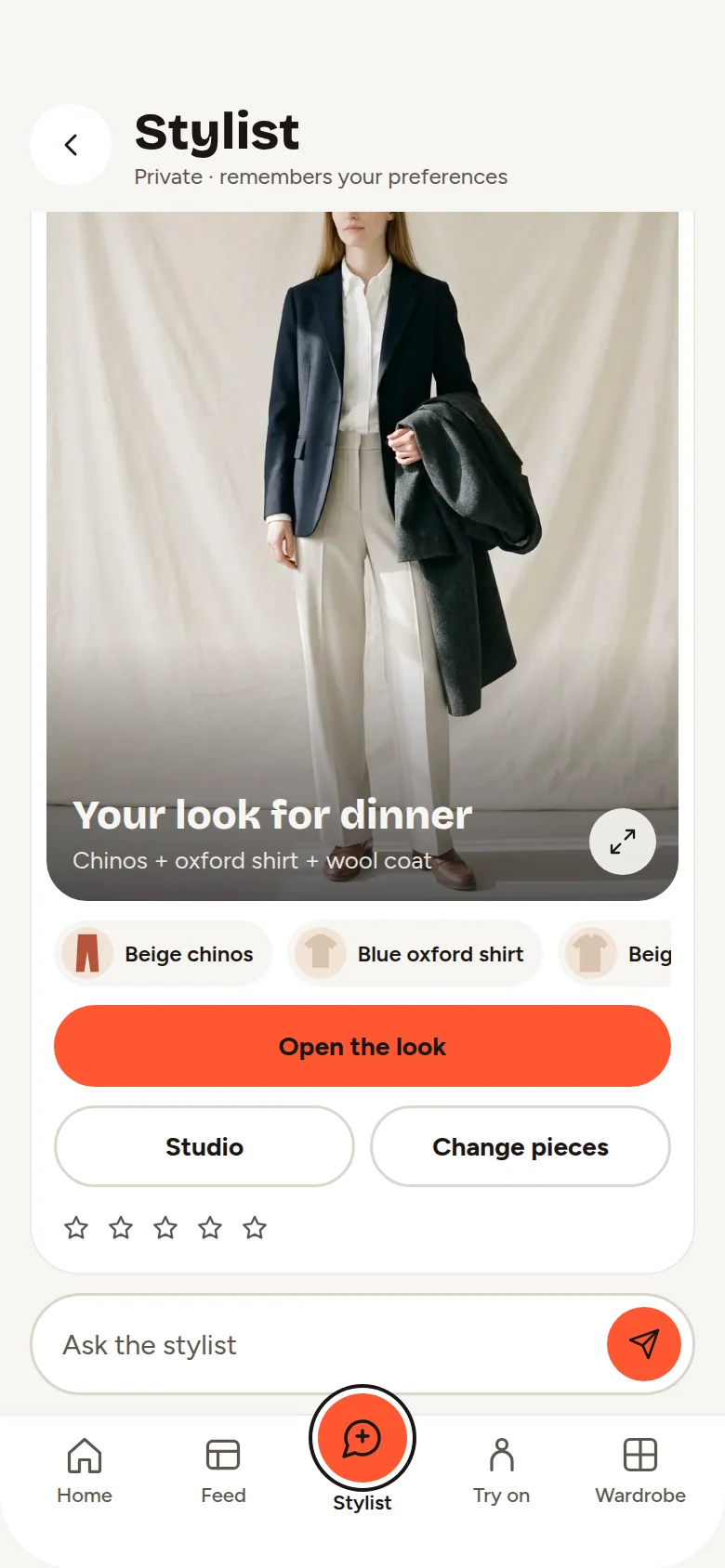
Three looks that are good, and different from each other
Pick the second look: a close copy or a real alternative?
Each alternate is chosen by 70% "how good is it" minus 30% "how much does it look like what's already picked".
How different two looks are
Who makes the final pick
- No note: the highest score is the main look.
- With a note: a fast AI reads up to 5 numbered looks, described in words without photos, and picks one. It has 8 seconds.
- Too-cold looks are dropped while at least 3 others remain. Turned-down looks can be kept out too; the server is ready, no screen sends them yet.
Final check, then the explanation
A last check confirms you own every piece and the outfit is complete. If something's wrong, it's an error, never a quiet patch. Shortfalls are said out loud.
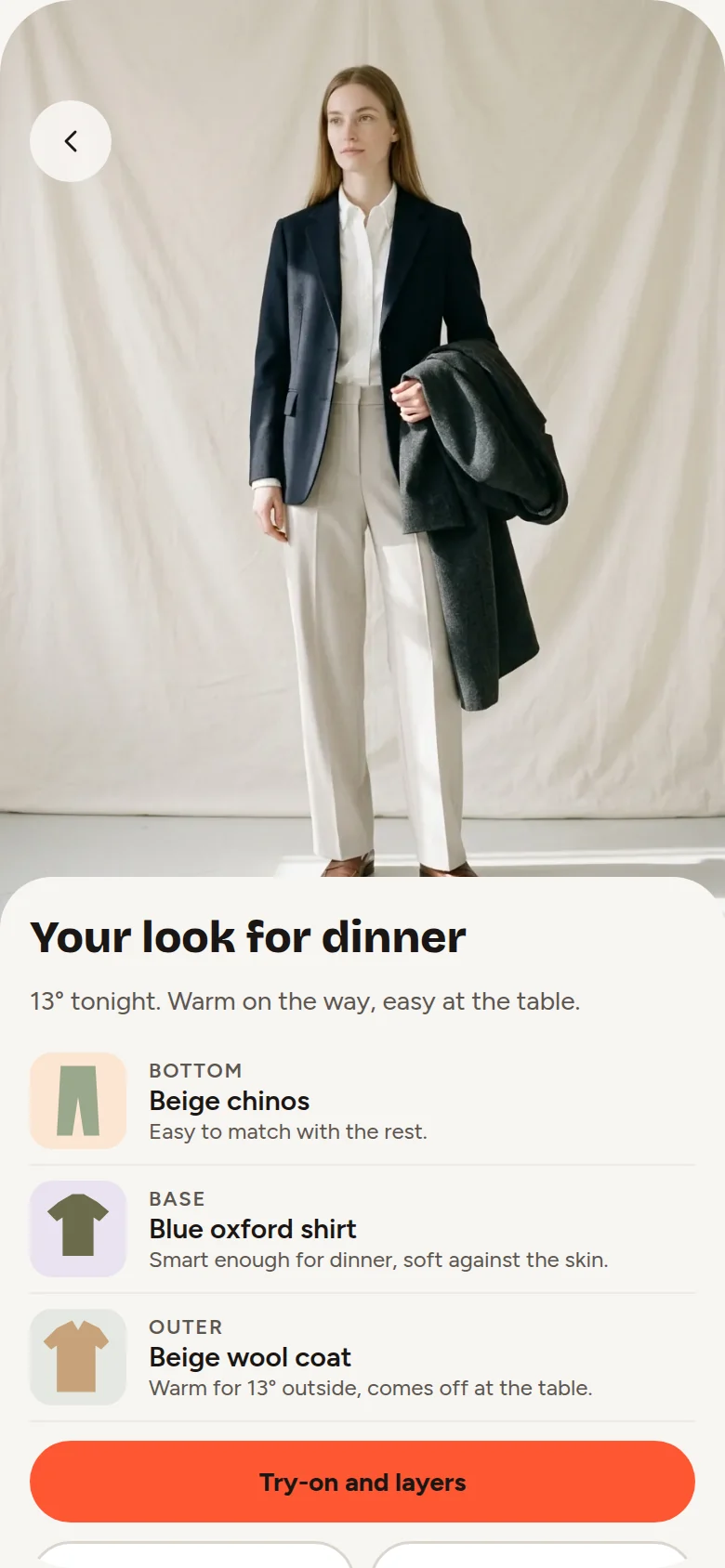
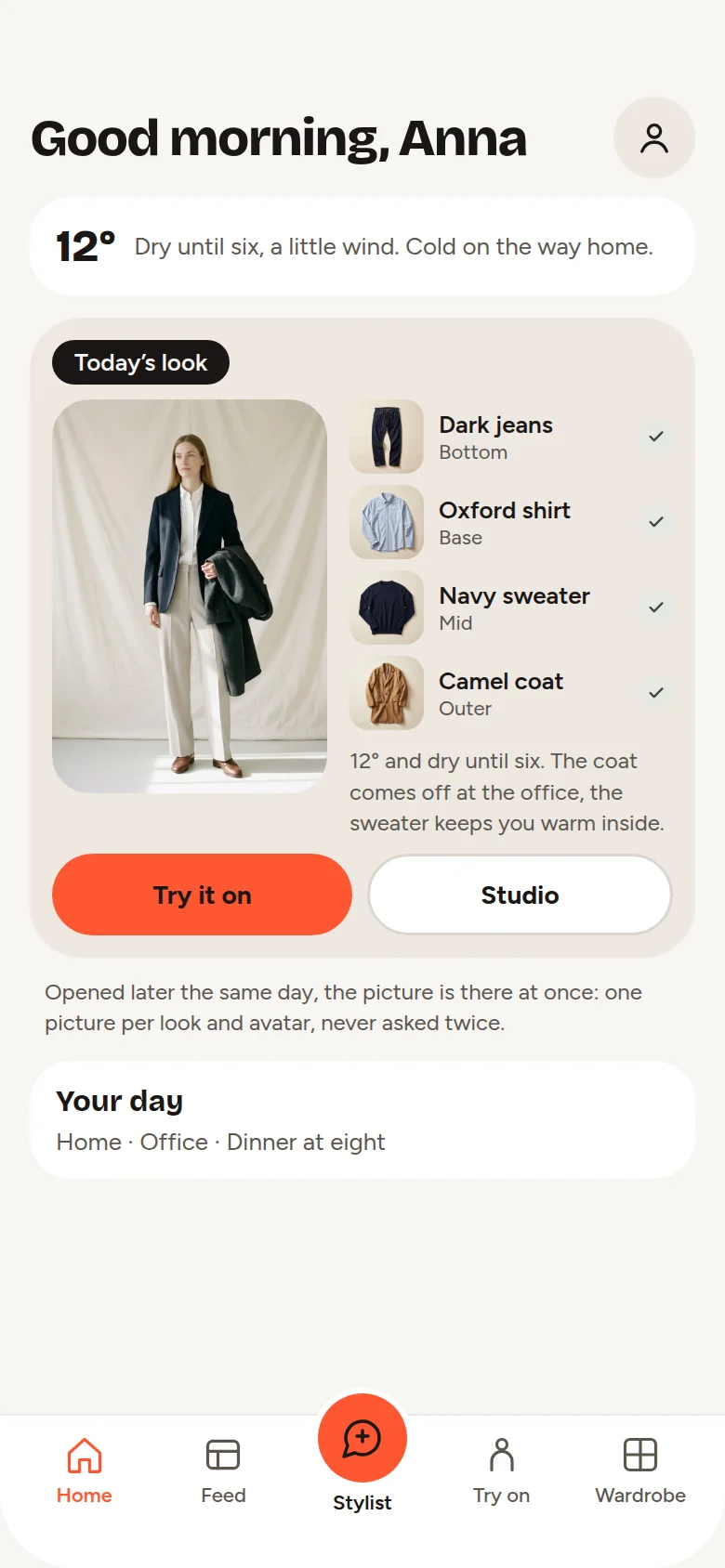
The chosen look is drawn onto you, with live progress
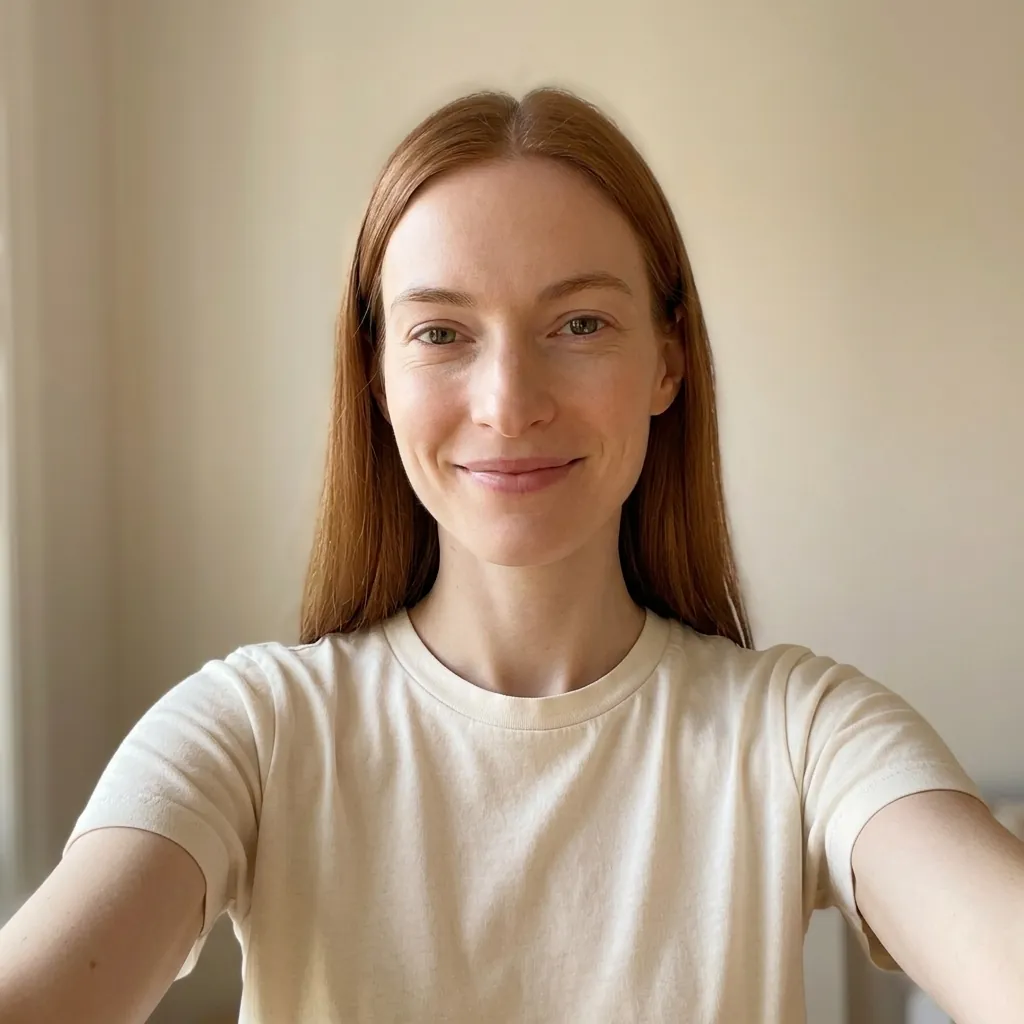
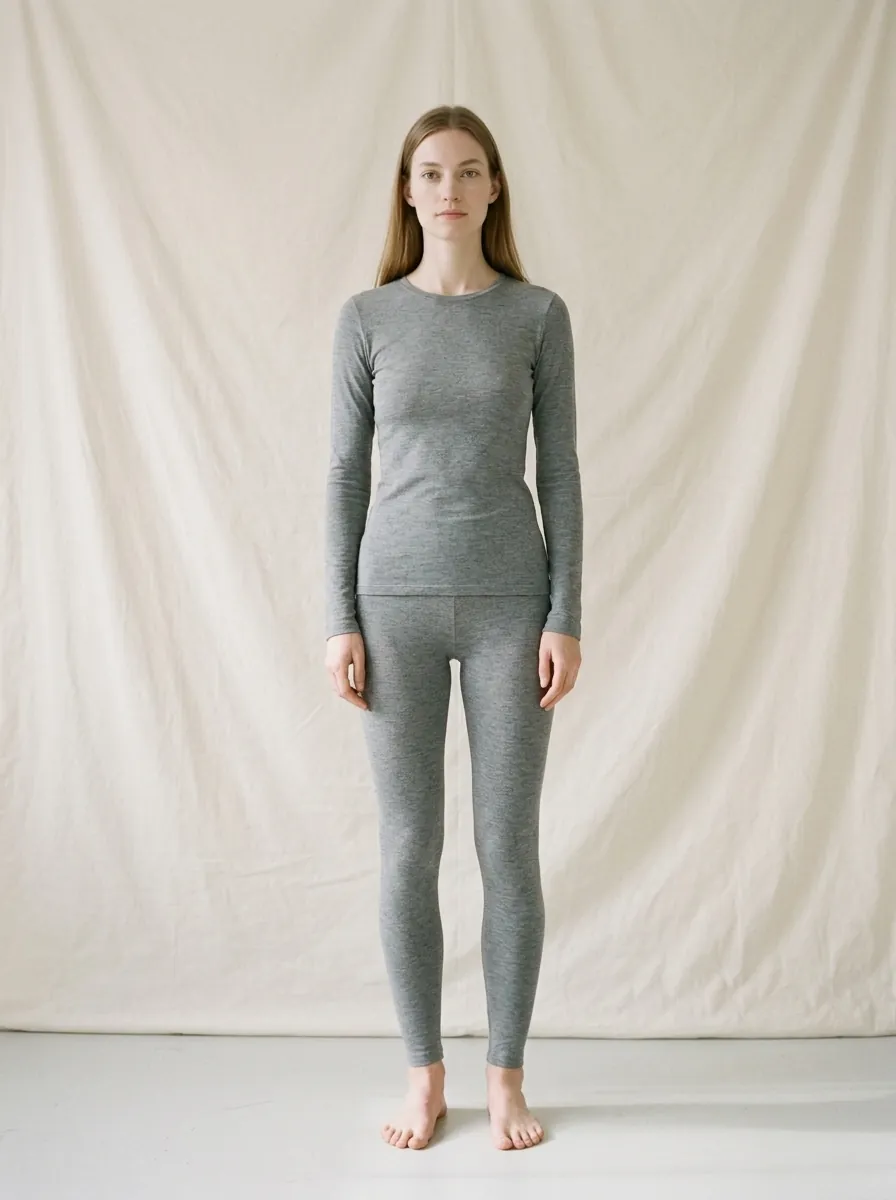
Selfie
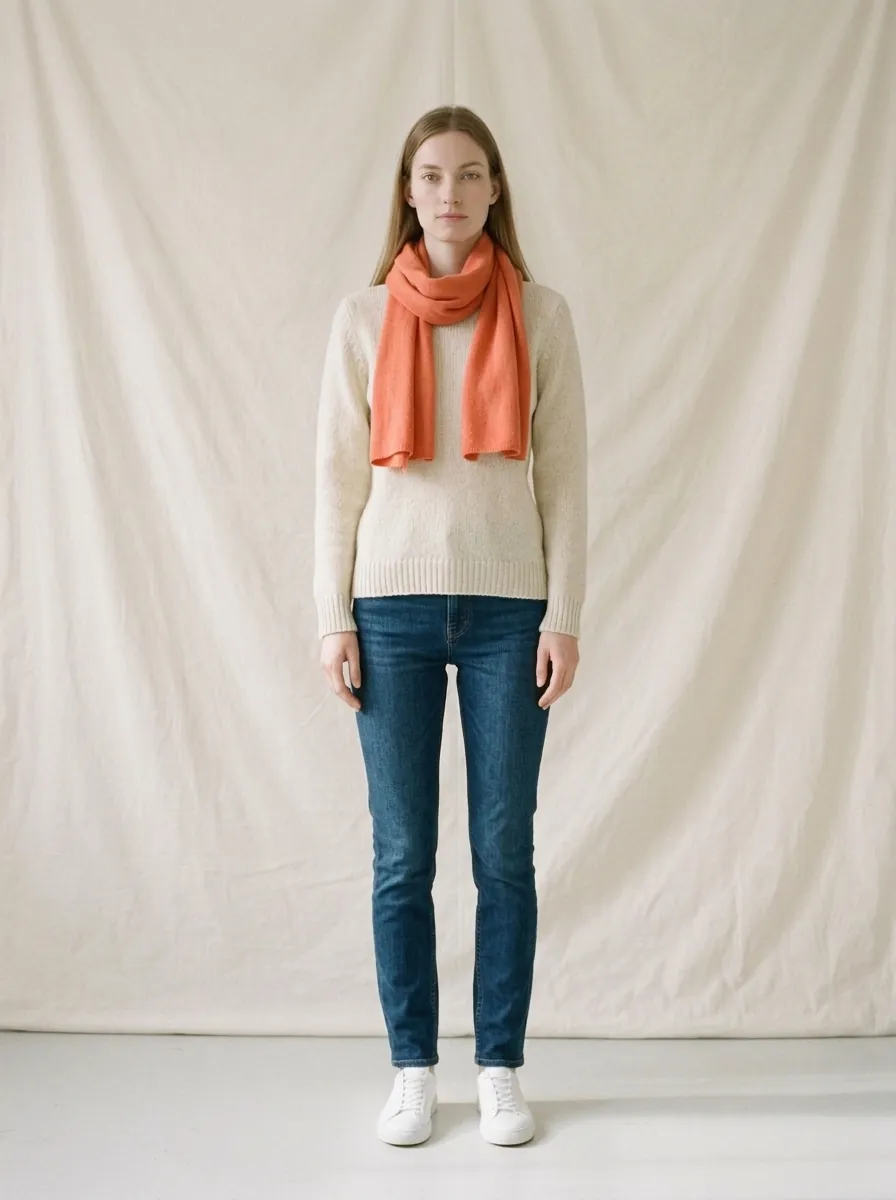
Your avatar
DressedWhat you see while it works
Home starts dressing once the look has stayed the same for 1.2 seconds. If drawing fails, you see "Try again". It never retries quietly in a loop.
How the picture is made
- Pieces go on in dressing order: dress or bottoms, top, middle layer, outerwear, shoes, accessories.
- A fast image AI draws them onto your neutral grey-base avatar.
- A second AI looks at the result: is the grey base showing, or is a garment missing?
- If something is wrong, it redraws once and keeps the better picture.
- Each look is drawn once and remembered, so opening it again is instant.
It grows its own knowledge, on a strict budget
Nobody writes lists of activities by hand. The first time anyone mentions "padel" or "a friend's henna night", the app works out what that means for clothes, saves it, and improves it later.
How a new activity is understood
Runs; feeds the ladder engine (off)Over budget, unknown activities stay "unknown" until tomorrow, so the bill never surprises anyone.
When an entry gets improved
- A person says the kit was wrong, or a reviewer marks it wrong.
- The app wasn't sure (under 70%) when it wrote it.
- A sport, ceremony or place of worship has no clothing rules yet.
- It's been used 25 times and nobody has reviewed it.
At most 2 automatic rewrites per entry, 6 hours apart. Reviewed entries are never overwritten. One entry can hold up to 24 local versions, for example "wedding guest in China: no white".
What your reactions change today
Twelve everyday situations the engine is tested on
Pick a situation and watch the decision play out step by step. Each one is a real automatic test that runs on every change.
Pick a situation
The steps will appear here.
Fast, cheap AI where it helps. Plain rules everywhere else.
The suggestion core itself is ordinary rules and maths, so it's predictable and free to run. AI is called only to read photos and free text, to chat, to pick between close looks when you wrote a note, and to draw.
Only quick, low-cost AI models are allowed. The expensive class is refused everywhere.
Forecast 2 s. Look pick 8 s. The stylist gets 6 steps, 25 s each, 50 s per answer, and stops after 2 failures in a row.
3 free try-ons and 3 free studio photos a day. Learning has its own small daily budget, and every AI call is counted.
The stylist, try-on, the overnight run and live weather can each be switched off in seconds.
The stylist can only show looks and sources it actually saw in that turn. Memories must quote your words.
From a selfie, only skin colour, hair colour and hair style are read, never age, gender, ethnicity or body. If you allow it, the photo also guides how your avatar’s face is drawn.
A final check rejects any look with a piece you don't own. Errors are reported, never hidden.
No forecast? Use the last good one, then typical weather. No AI pick? Use the score order, when that is allowed.
Built and waiting, or planned
Everything above marked "Live" works in the app today. These pieces are either finished and waiting for the switch, or still on the plan.